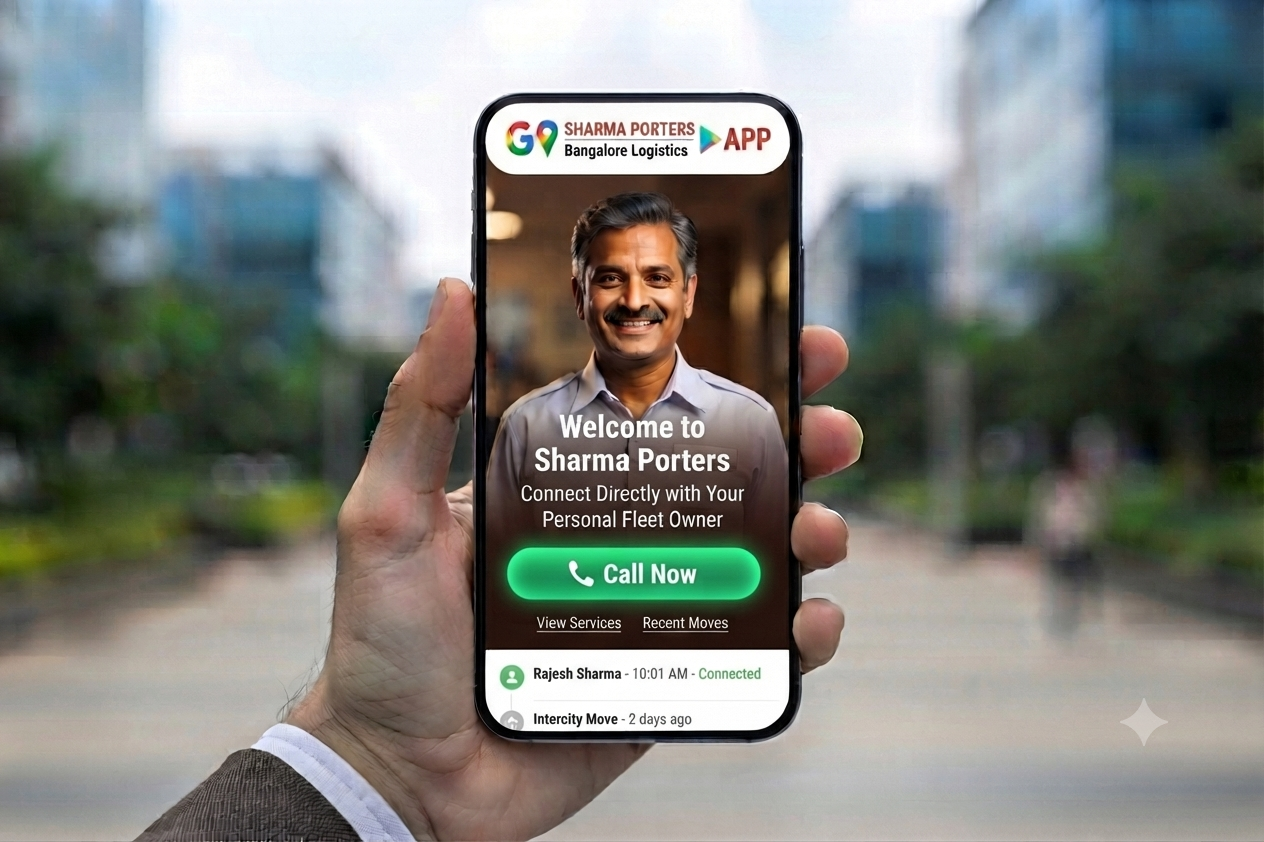
logistics trucks empowers business app facilitate guide
ProTrucking Solutions for Efficient Long-Haul Transportation
Why Every Business Must Know Which App Works Best for Them
When everything from retail furniture and office electronics to industrial machinery and household relocations moves on wheels, picking the right logistics app isn't just a technical choice—it is a make-or-break business decision.
A mismatch between your cargo and the platform you use leads to delayed shipments, damaged goods, inflated costs, and broken customer trust. Here is why every business needs to dial in on the exact app ecosystem that fits their operational DNA:
- Tailored Fleet Matching: A small retail store shipping everyday boxes needs a nimble light commercial vehicle app, while a machine manufacturer requires heavy-duty carrier allocation with specialized loading support. Using the wrong app means getting a vehicle that physically cannot handle or secure your cargo.
- Cost Efficiency and Transparent Pricing: Generic apps often hit businesses with hidden surge pricing or vague multi-tier estimates. Knowing your specific platform ensures precise rate-shopping, predictable overhead, and zero margin leakage on regular shipments.
- Workflow Integration: The right logistics app integrates directly into your daily routines—whether that means automated inventory pick-lists for a warehouse, multi-stop drop-off notifications for local retail, or direct dispatch logs for corporate headquarters.
- Mitigating Risk and Fraud: In a market full of unverified aggregators and digital "ghost" listings, choosing platforms tied to trusted physical networks (like Sharma Porters) ensures you aren't just trusting a screen, but are backed by real pre-move verification and ground accountability.
Take a ride in doubt, and remember: the best app for your business is the one that bridges digital convenience with absolute physical reliability on the ground.
20 Q&A: Matching Every Business and User to the Right Logistics App
Navigating India's bustling logistics landscape means knowing that one size never fits all. Whether you are shipping a single office laptop, moving a factory machine, or relocating a home, here is the ultimate guide to which app or platform works best for every specific need.
Part 1: The One-Time & Occasional User
1. Q: Who is considered a One-Time User in logistics?
A: Someone who does not need daily or frequent shipping—such as an individual sending a personal item across town or a small business needing a random, one-off pickup.
2. Q: Which app or platform should a One-Time User look for?
A: For immediate traditional needs, they look for reliable local aggregators, but they can also watch out for Sharma Porters, coming soon with an app built to handle transparent, verified one-off jobs without hidden surprises.
3. Q: Why do one-time users often get scammed by fake movers?
A: Because they lack a regular vendor relationship, making them easy targets for unverified digital listings and "ghost" offices offering unrealistically low quotes.
4. Q: How does Sharma Porters protect the one-time user?
A: By anchoring digital bookings with physical verification, pre-move surveys, and human accountability so the single shipment gets treated with enterprise-level care.
Part 2: Intra-City & Small-Distance Logistics
5. Q: What defines intra-city logistics for small businesses?
A: Moving goods across close distances within the same city—like a local bakery delivering cakes, a retail store shipping furniture to a customer, or an office sending a photocopy machine across neighborhoods.
6. Q: Which platform currently rules intra-city small truck logistics in India?
A: For fast, localized light commercial vehicle bookings, Porter remains a dominant force, though a growing ecosystem of alternative local providers is emerging.
7. Q: Can a small furniture retail store rely solely on standard bike delivery apps?
A: No. Furniture requires dedicated three-wheeler or four-wheeler open/closed trucks to prevent structural damage during transit.
8. Q: What should a business look for when choosing an intra-city logistics app?
A: Instant driver matching, transparent distance-based pricing, live vehicle tracking, and proper vehicle sizing (Tata Ace, Champion, etc.).
Part 3: Heavy Truck & Industrial Logistics
9. Q: When does a business need a heavy truck app instead of a standard local transporter?
A: When moving industrial machinery, bulk raw materials, or heavy commercial goods across regional and long-distance transport corridors.
10. Q: Which app is leading the heavy truck and fleet segment in India?
A: WheelsEye is recognized as a leading platform for heavy truck fleet tracking, GPS toll solutions, and connecting heavy transporters with industrial shippers.
11. Q: What other major players operate in the heavy commercial transport tech space?
A: Platforms like BlackBuck heavily serve the heavy truck and intercity freight market by digitizing tolling, matching loads, and managing trucker fleets.
12. Q: Why is matching the right heavy truck app critical for manufacturers?
A: Industrial machinery requires specialized weight distribution, secure multi-axle trailers, and verified drivers to prevent catastrophic transit damage.
Part 4: House Shifting & Household Relocation
13. Q: Is there a single undisputed leader app for House Shifting in India?
A: No. There is no single clear market leader dedicated exclusively to end-to-end stress-free household relocation.
14. Q: Which platforms do people commonly choose for shifting houses?
A: Consumers frequently default to platforms like Porter (for mini-truck shifting) and NoBroker (which connects users to packers and movers partners), though they often function primarily as lead-generation engines.
15. Q: Why are most house shifting apps considered "lead-generation machines"?
A: Because many apps do not actually own the trucks or employ the labor; they capture your contact details and auction or pass your lead to third-party, unverified local vendors.
16. Q: What is the risk of using an unverified lead-gen app for household shifting?
A: Final-hour price hiking (holding goods hostage for extra cash), unskilled labor breaking fragile items, and zero accountability when things go missing.
Part 5: The Bigger Picture — Beyond the App
17. Q: Why is an app "only as good as you" when it comes to logistics?
A: Because software can route a vehicle, but it cannot lift heavy boxes, pack fragile glass, or verify the background of the crew showing up at your door.
18. Q: How do apps and physical ground intelligence work together?
A: The app acts as the digital front door for booking and tracking, while physical networks (like Sharma Porters' pre-move surveys and ground audits) ensure execution safety.
19. Q: How should a business decide which app works best for them?
A: By auditing their cargo type (retail boxes, office electronics, heavy machinery, or household goods), their distance (intra-city vs. intercity), and whether they need raw lead-gen or end-to-end verified accountability.
20. Q: What is the ultimate rule for modern business logistics?
A: Convenience starts with an app, but peace of mind lives on the ground.
Take a ride in doubt, and always choose the logistics partner that matches your cargo's weight with real-world trust.
Gallery